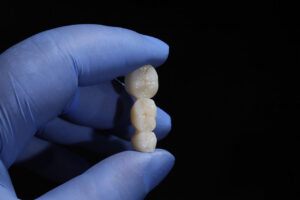
Cavities rarely show up with fireworks. They tend to creep in quietly. A little sensitivity, a rough spot you catch with your tongue, or nothing at all until a routine exam. That is why modern dentistry focuses so heavily on catching decay early. When a cavity is found, one of the most common solutions is a filling. Today, many patients choose tooth colored fillings because they repair the tooth while blending in naturally.
Tooth colored fillings are designed to restore strength and seal out bacteria, while keeping your smile looking consistent. This guide explains what tooth colored fillings are, how the process works, how they compare to older filling materials, and how to take care of them once they are placed.
What Tooth Colored Fillings Are
Tooth colored fillings are made from a resin material that matches the color of natural enamel. They are used to repair cavities, replace old fillings, and rebuild small areas of chipped or worn tooth structure.
The goal of a filling is to:
- Remove decay
- Restore the tooth’s shape
- Protect the tooth from further damage
- Help you chew comfortably
Tooth colored fillings are popular because they can be used in both front and back teeth. They can also be shaped and polished to look very natural.
How Cavities Form and Why Fillings Matter
A cavity forms when plaque bacteria produce acids that weaken enamel. Over time, the weakened area becomes a hole or soft spot. If it keeps progressing, it can move deeper into the tooth and approach the nerve, which increases the chance of pain and infection.
Fillings matter because they stop that process. They remove the decayed area and seal the tooth, so bacteria cannot keep working deeper into the tooth.
Treating a cavity early often means:
- Smaller fillings
- Less drilling
- Less sensitivity afterward
- Lower chance of needing a crown or root canal later
In simple terms, a filling is often the easiest way to keep a small problem from becoming a big one.
What to Expect When Getting Tooth Colored Fillings
Many patients feel nervous about fillings, especially if it has been a while since their last one. The process is usually straightforward and focused on comfort.
A typical tooth colored filling appointment includes:
- Numbing the tooth and surrounding area for comfort
- Removing the decayed portion of the tooth
- Cleaning and preparing the space for bonding
- Placing the filling material in layers
- Hardening each layer with a special light
- Shaping the filling to match your bite
- Polishing the surface so it feels smooth
Because tooth colored fillings bond to the tooth, they can support the remaining structure and help reinforce the area. This is one reason they are often used in modern dental care.
Tooth Colored Fillings vs Silver Fillings
Some patients grew up with silver fillings and wonder if tooth colored fillings are as strong. Both materials can work, but they have differences.
Silver fillings, also called amalgam, have been used for many decades. They are durable, but they are noticeable and do not bond to enamel the same way.
Tooth colored fillings:
- Blend in with natural tooth color
- Bond to the tooth, which can help support the structure
- Allow a more conservative approach in some cases, because less tooth structure may need to be removed
- Do not contain metal, which some patients prefer
Your dentist may still recommend a different restoration if the cavity is very large or the tooth is cracked. In those cases, a crown or onlay may be more predictable. The goal is always the strongest and safest solution for the tooth.
Caring for Tooth Colored Fillings
Tooth colored fillings are durable, but they still need regular care. Like natural teeth, the area around a filling can develop new decay if plaque builds up.
To help tooth colored fillings last:
- Brush twice daily with fluoride toothpaste
- Clean between teeth daily with floss or a water flosser
- Keep regular dental cleanings so tartar does not build around the filling edges
- Avoid chewing ice or very hard foods that can chip fillings
- Wear a nightguard if you grind your teeth
If you notice sensitivity that does not improve, a rough edge, or pain when biting, contact your dentist. Fillings can sometimes need small adjustments.
Benefits of “Tooth colored fillings”
Benefits of “Tooth colored fillings” include:
- Natural appearance, blends with enamel for a consistent smile
- Seals the tooth after decay is removed, helping block bacteria
- Bonds to the tooth, which can support remaining structure
- Often allows conservative repair, preserving more healthy tooth tissue in some cases
- Comfortable chewing once the bite is adjusted properly
- Can be used for cavities, minor chips, and replacing older fillings
- Smooth, polished surface that feels natural against the tongue
Dental professionals often recommend tooth colored fillings because they combine function and appearance. The goal is a repaired tooth that looks and feels like it belongs.
Common Questions About Tooth Colored Fillings
How long do tooth colored fillings last
Longevity depends on cavity size, bite forces, grinding habits, and home care. Many fillings last for years, and regular checkups help catch wear early.
Do tooth colored fillings stain
They can stain over time, especially with heavy exposure to coffee, tea, red wine, or tobacco. Regular cleanings and good home care help. If staining becomes noticeable, polishing or replacement may be discussed.
Will my tooth be sensitive after a filling
Mild sensitivity can happen, especially to cold, and often improves over a short period. If sensitivity is strong or lasts a long time, your dentist should evaluate the bite and the tooth.
Can a filling fix a cracked tooth
It depends. Small chips can often be repaired with filling material. Deeper cracks may need a crown. Your dentist will recommend the most predictable option.
How to Prevent Needing More Fillings
The best filling is the one you never need. Simple habits help reduce cavity risk:
- Brush twice daily with fluoride toothpaste
- Floss daily to clean between teeth where cavities hide
- Limit frequent snacking, especially sugary foods
- Drink water often, especially after meals
- Keep regular dental visits so early cavities are caught small
- Discuss dry mouth if medications reduce saliva, since saliva helps protect enamel
If you are cavity prone, your dentist may also recommend fluoride support or changes to your routine to reduce risk.
A Strong, Natural Repair for Everyday Dental Needs
Tooth colored fillings are one of the most common and helpful tools in modern dentistry. They repair cavities, restore comfort, and keep your smile looking natural. When decay is treated early, the process is usually simple and the tooth can remain strong for years. With consistent home care and regular checkups, tooth colored fillings can be a dependable part of keeping your mouth healthy.
If you think you may have a cavity or you want to replace older fillings with tooth colored fillings, contact Carolina Roots Dental at 2630 Timber Dr. Garner, NC 27529 or call 919-300-6156 to schedule your consultation or book an appointment.