Traditional dentures can restore a smile, but they do not always solve every everyday challenge. Some patients worry about movement while eating. Others avoid certain foods because their dentures feel less stable than they would like. Implant-supported dentures are designed to solve that problem by adding a stronger foundation. Instead of resting only on the gums, implant-supported dentures attach to dental implants for better hold and improved confidence.
At Carolina Roots Dental in Garner, NC, implant-supported dentures may be recommended for patients who are missing many or all teeth and want a more secure replacement option. This treatment can help restore chewing strength, support speech, and reduce the slipping or shifting that can happen with traditional removable dentures.
What Are Implant-Supported Dentures?
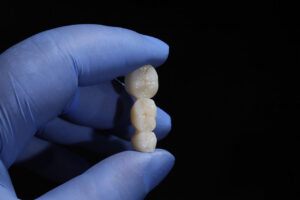
Implant-supported dentures are dentures that connect to dental implants placed in the jawbone. Dental implants act like artificial tooth roots. Once they heal and bond with the bone, they provide a stable base for the denture.
Depending on the case, implant-supported dentures may be removable or fixed. A removable implant-supported denture snaps onto implant attachments and can be taken out for cleaning. A fixed implant-supported denture stays in place and is removed only by a dental professional.
Both options can offer better stability than traditional dentures. The right choice depends on your bone health, number of implants, budget, cleaning needs, and personal goals.
Why Traditional Dentures Can Feel Loose
Traditional dentures rest on the gums and rely on suction, fit, and sometimes adhesive. This can work well for many people, especially at first. But over time, the jawbone changes when teeth are missing. Without tooth roots, the bone no longer gets the same stimulation from chewing. As the bone shrinks, the denture fit can change.
This can lead to:
- Dentures that feel loose
- Rubbing or sore spots
- Difficulty chewing firmer foods
- Worry about dentures moving while speaking
- More frequent adjustments or relines
Implant-supported dentures help by anchoring the denture to implants instead of relying only on the gums. This can create a more secure feel and make daily activities more comfortable.
Who Is a Candidate for Implant-Supported Dentures?
Many patients who are missing multiple teeth may be candidates for implant-supported dentures. The main factors are overall health, gum health, bone support, and commitment to maintenance.
You may be a good candidate if:
- You are missing most or all teeth in an arch
- Your current denture feels loose or uncomfortable
- You want improved chewing stability
- Your gums are healthy enough for implant treatment
- You have enough jawbone to support implants, or are open to bone grafting if needed
- You are willing to keep regular follow-up visits
Some patients may need extra planning. Smoking, uncontrolled diabetes, certain medications, and heavy teeth grinding can affect healing or long-term success. These factors do not always rule out treatment, but they must be discussed honestly during your consultation.
The Implant-Supported Denture Process
Implant-supported dentures are planned carefully. The process may take several months because healing is an important part of implant treatment.
Step 1: Consultation and Imaging
Your dentist evaluates your mouth, gums, bite, and bone levels. Digital imaging may be used to understand the shape and density of the jawbone. This step helps determine how many implants are needed and where they should be placed.
Step 2: Treatment Planning
Once the information is gathered, your dentist reviews the options. You may discuss removable implant-supported dentures, fixed implant-supported dentures, or other replacement choices. The plan should be clear, realistic, and based on your health and goals.
Step 3: Implant Placement
The dental implants are placed in the jawbone. The area is numbed for comfort, and sedation may be discussed for patients who feel anxious. After placement, the implants need time to heal and bond with the bone.
Step 4: Healing and Temporary Teeth
During healing, you may wear a temporary denture or modified existing denture. Your dentist will give instructions about eating, cleaning, and protecting the healing implants.
Step 5: Final Denture Attachment
Once the implants are stable, the final denture is made or adjusted to connect to the implants. Your dentist checks the fit, bite, and comfort. Follow-up visits help fine-tune the result.
Benefits of Implant-Supported Dentures
Implant-supported dentures offer several advantages for patients who want more stability than traditional dentures. Benefits of implant-supported dentures include:
- Improved stability: Implants help hold the denture in place while eating and speaking.
- Better chewing ability: Many patients can enjoy a wider range of foods with more confidence.
- Less slipping: Implant support reduces the movement that can happen with traditional dentures.
- Reduced gum irritation: A more stable denture may create fewer sore spots caused by rubbing.
- Jawbone support: Implants provide stimulation to the bone, which may help reduce bone shrinkage over time.
- More natural feel: A secure denture can feel more like part of the mouth.
- Increased confidence: Patients often feel more comfortable speaking, smiling, and eating in public.
For many patients, the biggest advantage is freedom. Implant-supported dentures can reduce the constant worry that dentures might shift at the wrong time.
Removable vs Fixed Implant-Supported Dentures
Removable and fixed implant-supported dentures both have benefits. A removable option snaps onto implants and comes out for cleaning. This can make hygiene easier for some patients and may be more affordable than a fixed option.
A fixed implant-supported denture stays in place and is cleaned in the mouth. It can feel very stable and may be preferred by patients who do not want to remove their teeth each night. However, it requires excellent home care and professional maintenance.
Your dentist can help you compare these choices based on your hand dexterity, cleaning routine, lifestyle, and treatment goals.
Caring for Implant-Supported Dentures
Implant-supported dentures need consistent care. Implants do not get cavities, but the gums and bone around them can become inflamed if plaque builds up.
Care tips may include:
- Brush your gums, tongue, and denture daily
- Clean around implant attachments as directed
- Use a water flosser or special brushes if recommended
- Remove removable dentures for cleaning
- Keep regular dental visits so the implants and denture fit can be checked
- Report soreness, looseness, bleeding, or changes in bite right away
Maintenance is a key part of long-term success. Even a well-made denture can need adjustments as the mouth changes over time.
A More Stable Path for Full-Smile Replacement
Implant-supported dentures can be a life-changing option for patients who are tired of loose or uncomfortable dentures. By connecting dentures to dental implants, this treatment can improve chewing, speaking, comfort, and confidence. It also offers support for the jawbone and can help patients feel more secure in daily life.
If you are ready to explore a stronger and more stable denture option, contact Carolina Roots Dental at 2630 Timber Dr. Garner, NC 27529 or call (919) 714-4700 to schedule your consultation or book an appointment.