Sometimes a small detail changes the whole picture. A tiny chip on a front tooth, an uneven edge, or a small gap can draw your attention every time you look in the mirror, even if the tooth is otherwise healthy. Dental bonding is a simple cosmetic and restorative option that can correct minor imperfections without major treatment. It is often one of the fastest ways to improve the look and feel of a tooth.
Dental bonding uses a tooth colored material that is shaped and polished to blend into natural enamel. It can be used for cosmetic improvements and for small repairs. This guide explains how dental bonding works, what it can fix, what the appointment is like, how long results last, and how to care for bonded teeth.
What Dental Bonding Is
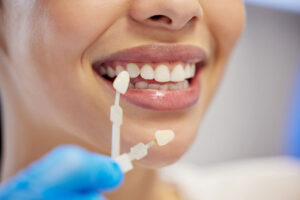
Dental bonding is a procedure that adds a tooth colored resin to a tooth. The material is carefully matched to your tooth shade, applied in layers, shaped to look natural, and hardened with a special light.
Dental bonding is commonly used to:
- Repair small chips and minor cracks
- Close small gaps between teeth
- Improve the shape of a tooth that looks short or uneven
- Cover small stains that do not respond well to whitening
- Protect exposed root surfaces that cause sensitivity
- Replace a small filling or repair a worn edge
Because dental bonding is often completed in one visit, many patients choose it when they want an efficient improvement without a longer timeline.
What Dental Bonding Can and Cannot Do
Dental bonding is best for small to moderate changes. It can look very natural when done well, but it is not always the best solution for every situation.
Dental bonding is usually a good choice when:
- The tooth is mostly healthy
- The change needed is cosmetic or minor structural repair
- The bite does not put extreme pressure on the bonded area
- The patient wants a conservative approach
Dental bonding may not be ideal when:
- The tooth has large decay or major damage
- The tooth is heavily worn from strong grinding
- A large gap or major alignment concern is present
- The patient wants a very long lasting, stain resistant solution
In those cases, a veneer, crown, or orthodontic plan may be recommended instead. The goal is always a result that looks good and holds up over time.
What to Expect During Dental Bonding
Many patients are surprised by how simple dental bonding feels. In many cases, numbing is not even needed unless the bonding is being used to fill a cavity or repair a sensitive area.
A typical dental bonding visit includes:
- Selecting the shade of resin to match your tooth
- Gently preparing the tooth surface, often with light roughening
- Applying a bonding agent that helps the resin adhere
- Placing resin in layers and shaping it carefully
- Hardening each layer with a special light
- Refining the shape and smoothing the edges
- Polishing the final surface to blend with your smile
The final result should feel smooth and natural, and your bite should be checked to ensure the bonded area is not taking too much pressure.
How Long Dental Bonding Lasts
Dental bonding can last for years, but longevity depends on:
- Where the bonding is placed
- How much pressure the tooth takes during chewing
- Whether you grind or clench
- Your home care habits
- Whether you bite hard foods or use teeth as tools
Bonding on front teeth edges may chip sooner if you bite into hard foods often. Bonding on areas with less pressure may last longer.
The good news is that dental bonding is often repairable. If a bonded edge chips, it can often be touched up rather than fully replaced.
Dental Bonding Compared to Veneers
Patients often ask whether they should choose bonding or veneers. Both can improve the appearance of teeth, but they have different strengths.
Dental bonding is usually:
- More affordable than veneers
- Completed in one visit for many cases
- Very conservative, often requiring little to no enamel removal
- Easier to repair if it chips
Veneers are often:
- More stain resistant
- More durable for larger cosmetic changes
- Better for major shape or color improvements
- A stronger option for certain cases when long term results are the priority
Your dentist can help you decide which option fits your goals and your bite.
Benefits of “Dental bonding”
Benefits of “Dental bonding” include:
- Quick improvement for chips, small gaps, and uneven edges, often in one visit
- Conservative approach that usually preserves natural tooth structure
- Natural look, resin can be matched and polished to blend with enamel
- Can reduce sensitivity by covering exposed root surfaces or worn edges
- Often more affordable than veneers for small cosmetic changes
- Repairs are often possible if bonding chips, making maintenance simple
- Boosts smile balance by improving tooth shape and symmetry
Dental professionals often recommend dental bonding as a first step when the goal is a small, natural change without major procedures.
Caring for Dental Bonding
Bonding can be kept looking great with simple habits. The main idea is to protect it from staining and chipping.
Care tips include:
- Brush twice daily with fluoride toothpaste
- Floss daily to protect gum health and prevent staining between teeth
- Avoid chewing ice, hard candy, and pens
- Cut crunchy foods into smaller bites, especially during the first days
- If you grind your teeth, wear a nightguard to protect bonding
- Limit frequent exposure to heavy staining drinks and rinse with water after
- Keep regular cleanings so the surface can be polished if needed
Bonding can stain more easily than porcelain. If coffee or tea is part of your routine, good home care and regular cleanings help keep the bonded area looking consistent.
Common Questions About Dental Bonding
Does bonding look natural
When done well, dental bonding can look very natural. Shade matching, shaping, and polishing are the keys. The goal is a tooth that looks smooth and balanced, not bulky or obvious.
Is bonding painful
Dental bonding is usually comfortable. Numbing may be used if bonding is repairing a cavity or a sensitive area. Many cosmetic bonding cases do not require numbing.
Can bonding fix a large gap
Bonding can close small gaps, but large gaps may require orthodontic movement or veneers for the most predictable result. Your dentist will guide you toward the safest approach.
How do I know if bonding is the right choice
A consultation helps determine whether bonding fits your goals, your tooth structure, and your bite. If you want a small improvement quickly, bonding is often a strong option.
A Practical Way to Refresh Your Smile
Dental bonding is a simple, efficient way to improve small imperfections like chips, uneven edges, and minor gaps. It is conservative, often completed in one visit, and designed to blend naturally with your tooth color. With good home care and smart habits, bonded teeth can stay smooth and attractive for years. For many patients, bonding is the easiest first step toward a more polished smile.
If you want to explore dental bonding for a chip, gap, or tooth shape concern, contact Carolina Roots Dental at 2630 Timber Dr. Garner, NC 27529 or call 919-300-6156 to schedule your consultation or book an appointment.