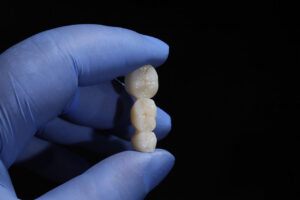
A cavity may be small, but it can create a much bigger problem if it is ignored. Think of it like a tiny leak under a sink. At first, it may not seem urgent. Over time, that small leak can damage the cabinet, the floor, and everything around it. Tooth decay works in a similar way. When a cavity starts, early repair can help preserve more of the tooth and prevent more involved treatment later. Tooth-colored fillings are one of the most common ways to repair cavities while keeping the smile looking natural.
At Carolina Roots Dental in Garner, NC, tooth-colored fillings may be used to restore teeth affected by decay, small chips, or worn areas. They are designed to blend with natural enamel, seal the tooth, and help you chew comfortably again.
What Are Tooth-Colored Fillings?
Tooth-colored fillings are dental restorations made from composite resin, a material that can be matched to the shade of your natural teeth. Unlike silver-colored fillings, tooth-colored fillings are designed to blend into the smile. They are commonly used for both front and back teeth.
The purpose of a filling is simple. It removes damaged tooth structure, seals the area, restores the tooth’s shape, and helps prevent decay from spreading. Tooth-colored fillings are popular because they support both function and appearance.
They may be used to treat:
- Small to moderate cavities
- Minor chips
- Small worn areas
- Old fillings that need replacement
- Cosmetic concerns involving small defects
Not every tooth can be restored with a filling. If a cavity is large, a tooth is cracked, or the remaining tooth structure is weak, a crown or another restoration may be more predictable. Your dentist will recommend the option that best protects the tooth.
How Cavities Form
Cavities form when bacteria in plaque create acids that weaken tooth enamel. Plaque is a sticky film that develops on teeth every day. When sugar and starches are eaten often, bacteria use those foods as fuel. The acids they create can slowly dissolve minerals in enamel, leading to decay.
Early cavities may not hurt. That is why routine exams and X-rays are important. A cavity between teeth may not be visible in the mirror, and you may not feel anything until decay gets deeper.
Common signs of a cavity include:
- Sensitivity to sweets, cold, or hot drinks
- A rough spot you can feel with your tongue
- Food catching between teeth
- Dark spots or visible holes
- Pain when biting, in more advanced cases
The sooner a cavity is treated, the smaller the filling can usually be. Smaller fillings preserve more natural tooth structure and often feel easier to recover from.
The Tooth-Colored Filling Process
Getting a tooth-colored filling is usually a straightforward visit. The process is focused on removing decay, protecting the tooth, and making sure your bite feels natural.
Step 1: Numbing for Comfort
If needed, the tooth and surrounding area are numbed. Some very small repairs may require little or no anesthetic, depending on the depth and location.
Step 2: Removing Decay
The decayed portion of the tooth is removed carefully. The goal is to remove damaged material while preserving as much healthy tooth structure as possible.
Step 3: Preparing the Tooth
The tooth is cleaned and prepared so the filling material can bond properly. Bonding is one reason tooth-colored fillings are useful, because the material adheres to the tooth structure.
Step 4: Placing the Composite Resin
The tooth-colored material is placed in layers. Each layer is shaped and hardened with a special light. This layered approach helps create strength and a natural shape.
Step 5: Shaping and Polishing
Once the filling is complete, your dentist checks your bite and polishes the surface. The filling should feel smooth and comfortable. If it feels too high when you bite, a small adjustment can fix it.
Benefits of Tooth-Colored Fillings
Tooth-colored fillings offer several advantages for patients who need cavity repair or minor tooth restoration. Benefits of tooth-colored fillings include:
- Natural appearance: The filling shade can be matched to your tooth color.
- Strong bond: Composite resin bonds to the tooth, helping support the remaining structure.
- Conservative repair: In many cases, less healthy tooth structure needs to be removed compared with older approaches.
- Comfortable chewing: A properly shaped filling restores the tooth so the bite feels balanced.
- Versatile use: Tooth-colored material can repair cavities, minor chips, and small worn areas.
- No silver appearance: The restoration blends into the smile instead of standing out.
- Early protection: Treating decay early helps prevent deeper problems like infection or the need for a crown.
Tooth-colored fillings are one of the most common restorative dentistry options because they are simple, effective, and natural-looking.
How Long Do Tooth-Colored Fillings Last?
Tooth-colored fillings can last for many years, but their lifespan depends on several factors. Large fillings may wear faster than small fillings. Fillings on back teeth handle more chewing force. Grinding or clenching can also shorten the life of a filling.
Daily habits make a major difference. Brushing, flossing, and regular cleanings help prevent new decay around the filling edges. Avoiding hard chewing habits also helps protect the material.
Your dentist will check existing fillings during routine exams. If a filling becomes worn, cracked, or loose, it may need repair or replacement. Catching these issues early can prevent decay from forming underneath.
Tooth-Colored Fillings vs Crowns
A filling is used when enough healthy tooth structure remains to support the repair. A crown is used when the tooth needs more full-coverage protection. If a tooth has a large cavity, a crack, or a very large old filling, a crown may be the safer choice.
Think of a filling like repairing a small section of a wall. A crown is more like reinforcing the whole structure. Both are useful, but they serve different purposes. Carolina Roots Dental can help determine which option will best protect your tooth long term.
How to Prevent Future Cavities
Once you have a filling, prevention becomes even more important. The goal is to protect both the restored tooth and the rest of your smile.
Helpful prevention habits include:
- Brush twice daily with fluoride toothpaste
- Floss daily to clean between teeth
- Drink water often, especially after meals
- Limit frequent snacking on sugary or starchy foods
- Keep regular dental cleanings and exams
- Ask about fluoride support if you are cavity prone
- Wear a nightguard if you grind or clench your teeth
Small daily choices can keep fillings healthier and reduce the need for future dental work.
A Simple Repair That Helps Protect Your Smile
Tooth-colored fillings are a reliable way to repair cavities and small areas of damage while keeping your smile natural-looking. They seal the tooth, restore shape, and help prevent decay from spreading deeper. When cavities are caught early, fillings can be a simple step that protects long-term oral health.
If you think you may have a cavity or need an older filling checked, contact Carolina Roots Dental at 2630 Timber Dr. Garner, NC 27529 or call (919) 714-4700 to schedule your consultation or book an appointment.