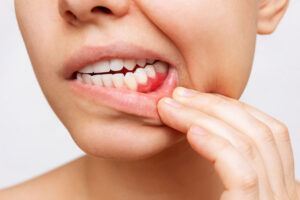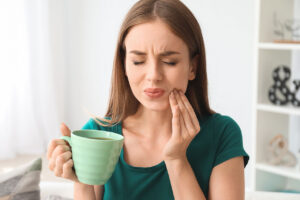
Sometimes a room doesn’t need new furniture—it just needs better lighting. Teeth can be like that. When they look dull or stained, everything feels a little less fresh, even if your teeth are healthy. Teeth Whitening is one of the simplest ways to refresh the look of your smile, and when it’s done correctly, it can be safe, comfortable, and very natural-looking.
If you’ve tried whitening strips or “miracle” pastes and felt underwhelmed, you’re not alone. The best results usually come from understanding what causes stains, choosing the right whitening method, and protecting your teeth from sensitivity. This guide breaks down Teeth Whitening in clear, patient-friendly terms so you can make smart decisions and avoid common mistakes.
What Causes Teeth to Look Stained or Yellow?
Teeth aren’t supposed to be paper-white. Natural enamel has a slightly warm tone, and the layer under it (dentin) is naturally more yellow. Over time, both surface stains and internal color changes can make teeth look darker.
Common causes include:
- Coffee, tea, red wine, and dark sodas
- Tobacco use (smoking or chewing)
- Frequent exposure to strongly colored foods (like sauces and berries)
- Aging (enamel thins over time and dentin shows through more)
- Certain medications or childhood exposure to specific antibiotics
- Past dental trauma to a tooth, which can change its color from the inside
The reason this matters is simple: different stain types respond differently to Teeth Whitening. Surface stains often lift more easily. Deep internal stains may need a stronger plan or different cosmetic options.
Teeth Whitening Options: What Works, What’s Risky, and What’s Worth It
There are many ways to whiten teeth, but not all methods are equal. A good Teeth Whitening plan starts with safety, then focuses on the most predictable results for your specific stain type.
Over-the-Counter Whitening Products
Whitening strips, gels, and whitening toothpaste can help some people, especially with mild surface stains. They can be convenient and affordable, but they have limitations:
- They may not fit teeth evenly, leading to patchy results
- They can cause sensitivity if used too often
- They typically don’t whiten as deeply as professional options
- They may not be a good choice if you have exposed roots or gum recession
Over-the-counter options can be a reasonable “starter” for mild brightening, but they aren’t always the best solution for noticeable color change.
Professional Take-Home Whitening Trays
Custom take-home trays are a popular middle ground. Your dentist makes trays that fit your teeth closely, which helps the whitening gel sit where it should and reduces gum irritation.
Why many patients like this method:
- Even, controlled whitening
- Gradual results you can manage at your pace
- Often less sensitivity when used correctly
- Easy touch-ups later
This approach is especially helpful for people who want steady improvement without an intense in-office session.
In-Office Teeth Whitening
In-office Teeth Whitening is designed for faster results. It uses stronger whitening materials and careful protection for your gums. Many people like this option because it can brighten the smile in one visit.
In-office whitening can be a great choice if:
- You want noticeable results quickly
- You’d like professional supervision for safety
- You want guidance for sensitivity prevention
- You don’t want to manage trays at home
Not everyone is ideal for in-office whitening, especially if you have significant sensitivity. Your dentist can recommend the best path based on your enamel and your goals.
Whitening “Hacks” to Avoid
Some trends are popular online but can be risky:
- Charcoal products that are very abrasive
- Lemon juice or acidic DIY mixes
- Harsh scrubbing that wears enamel
- Using whitening products too frequently to “speed it up”
A common problem with aggressive whitening is that it can make teeth more sensitive and more prone to future staining if enamel becomes rough or worn. Safe Teeth Whitening should never feel like you’re damaging your teeth to get results.
A Key Truth About Teeth Whitening: Not Everything Turns White
This is one of the most important parts of setting expectations: Teeth Whitening only works on natural tooth structure. It does not whiten:
- Crowns
- Veneers
- Tooth-colored fillings
- Bridges
So if you have dental work on visible teeth, whitening may make your natural teeth brighter while the restoration stays the same shade. That doesn’t mean you can’t whiten. It just means your dentist may plan the process carefully, sometimes whitening first and then updating older restorations so everything blends.
How to Know If You’re a Good Candidate for Teeth Whitening
Most healthy adults can benefit from Teeth Whitening, but a quick dental check is smart first. Whitening works best when:
- You don’t have untreated cavities
- Your gums are healthy (no active inflammation or bleeding)
- You don’t have severe enamel erosion
- You have realistic goals for shade improvement
If you have sensitivity, gum recession, or exposed root surfaces, whitening may still be possible—but it may require a gentler approach. If a single tooth is darker due to trauma, it may need a different whitening strategy than the rest of your teeth.
What to Expect During a Professional Teeth Whitening Visit
A professional Teeth Whitening plan usually starts with a simple evaluation. Your dental team may:
- Check for cavities, cracks, or gum irritation
- Talk about your stain sources (coffee, tobacco, certain foods)
- Review sensitivity history
- Recommend in-office whitening, take-home trays, or a combination
- Provide instructions for managing sensitivity and maintaining results
If you’re doing take-home trays, you’ll learn how much gel to use and how long to wear the trays. More gel is not better. Using too much can irritate gums and increase sensitivity.
Benefits of Teeth Whitening: Why It’s More Than “Just Cosmetic”
Yes, Teeth Whitening is a cosmetic service. But it can also support better habits and more consistent care because it often motivates people to protect their results.
Benefits of Teeth Whitening include:
- A brighter, cleaner-looking smile that still looks natural
- Even color that helps teeth look healthier
- Increased confidence in everyday interactions and photos
- A simple first step before other cosmetic improvements
- Motivation to improve home care and reduce staining habits
- Professional guidance that reduces the risk of uneven whitening and gum irritation
A good whitening plan is conservative and controlled. The goal is a healthy, attractive brightness—not extreme whiteness that doesn’t match your natural look.
How to Reduce Sensitivity During Teeth Whitening
Sensitivity is the number one concern people have about Teeth Whitening. The good news is that sensitivity is often temporary and manageable when whitening is done correctly.
Helpful strategies include:
- Use a sensitivity toothpaste for 1–2 weeks before whitening
- Avoid whitening every day if you’re feeling sensitivity (space treatments out)
- Use the recommended amount of whitening gel (not extra)
- Avoid very cold foods during the whitening phase if you’re sensitive
- Ask your dentist about fluoride or desensitizing options if needed
If you feel sharp pain or lingering discomfort, stop whitening and contact your dental office. Whitening should not feel like an injury.
Keeping Teeth Whitening Results Longer
Whitening isn’t permanent because teeth continue to face stains from food and drinks. The goal is to make results last as long as possible with simple habits.
Ways to maintain Teeth Whitening results:
- Rinse with water after coffee, tea, or dark drinks
- Use a straw for darker beverages when practical
- Brush twice daily and clean between teeth daily
- Keep regular cleanings so surface stains don’t build up
- Limit frequent sipping of staining drinks over long periods
- Consider occasional touch-ups as recommended
Also, remember that stains often come from frequency, not just quantity. One coffee quickly is often less staining than sipping coffee slowly for hours.
Final Thoughts: Teeth Whitening Should Be Safe, Comfortable, and Predictable
When done the right way, Teeth Whitening is a simple, low-stress way to brighten your smile. The best results come from choosing the right method for your teeth, managing sensitivity with smart steps, and maintaining the results with good habits. If you’re ready for a refresh, it’s worth doing it in a way that protects your enamel and feels comfortable along the way.
Ready to brighten your smile with a plan that’s tailored to you? Contact Carolina Roots Dental at 2630 Timber Dr. Garner, NC 27529 or call 919-300-6156 to schedule your consultation and learn which Teeth Whitening option fits your goals.