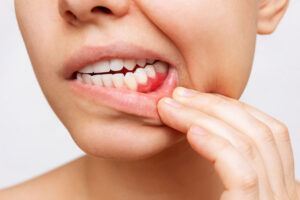
If you think of your mouth like a garden, it’s easier to understand why small, steady attention matters. A garden doesn’t fall apart in one day. It slowly gets overrun when little tasks are skipped—watering, pulling weeds, checking the soil. Your teeth and gums work the same way. Preventive Care is the routine that keeps small issues small, so you’re less likely to deal with sudden pain, surprise repairs, or stressful dental visits.
At Carolina Roots Dental, the approach to Preventive Care is built around practical habits and consistent check-ins. It’s not about perfection. It’s about making oral health easier to maintain, month after month, year after year. Below is a clear guide to what this prevention-first routine includes, why it matters, and how it helps protect both your smile and your comfort.
What Preventive Care Includes (And Why It’s More Than “Just a Cleaning”)
Most people think Preventive Care equals brushing and a cleaning twice a year. Those are important, but a complete plan is bigger than that. It combines at-home habits, professional cleanings, and regular evaluations so your dentist can spot problems early—often before you feel anything.
A typical appointment focused on Preventive Care may include:
- A review of your health history and any new concerns
- A professional cleaning to remove plaque and tartar
- Gum checks to measure inflammation and gum “pocket” depth
- An exam of teeth, bite, and existing dental work
- Digital X-rays when needed to look between teeth and under the gums
- An oral cancer screening
- Personalized coaching on brushing, flossing, diet, and dry mouth
Why does all this matter? Because many dental problems start quietly. Cavities can grow between teeth where you can’t see. Gum irritation can progress without strong pain signals. Small cracks can worsen over time. Preventive Care is designed to catch these changes early, when treatment is simpler and often more comfortable.
The Real Goal: Fewer Emergencies and Fewer Repairs
A common misconception is that a prevention plan is “optional” if your teeth feel fine. But pain is not a reliable early warning sign. In many cases, pain shows up later, after a problem has already grown.
Here are a few examples of what Preventive Care helps prevent:
- Cavities becoming deep decay: A small cavity may be fixed with a simple filling. A deep cavity can lead to a crown or root canal.
- Gum inflammation becoming gum disease: Early gum irritation may improve with better home care and regular cleanings. Advanced gum disease can threaten the bone that supports teeth.
- Old dental work failing unexpectedly: Fillings and crowns can wear out. Routine exams help identify weak spots before they turn into cracks or broken teeth.
- Bad breath that won’t go away: Persistent bad breath often comes from plaque buildup, gum infection, or dry mouth. Visits that focus on prevention target the cause, not just the symptom.
- Dental anxiety from surprise visits: When appointments stay routine, patients often feel more relaxed and confident about care.
In short, Preventive Care makes dental health more predictable. You’re less likely to face sudden toothaches or last-minute dental decisions.
At-Home Preventive Care: Simple Steps That Make the Biggest Difference
Professional visits matter, but the most powerful part of prevention happens at home. The good news is that it doesn’t require complicated tools. It requires consistency and a few small upgrades if you’ve been stuck in an old routine.
Brushing that Actually Works
Brushing twice a day is a great goal, but technique matters. Use a soft-bristled brush and aim the bristles gently toward the gum line. Spend extra time where plaque loves to hide: behind the back teeth, along the gum line, and on the inside surfaces of lower front teeth.
Tip: Two minutes feels longer than most people expect. A timer or electric brush can help you stay on track.
Flossing Without Frustration
Flossing supports Preventive Care because toothbrush bristles can’t fully clean between teeth. If string floss is hard to use, try floss picks, a water flosser, or small interdental brushes. The best tool is the one you can use consistently.
Fluoride for Stronger Enamel
Fluoride helps strengthen enamel and makes teeth more resistant to acid. That’s why fluoride toothpaste is a standard part of Preventive Care. For patients with frequent cavities, your dentist may suggest extra fluoride support.
Diet Choices That Support Preventive Care
Sugar isn’t only about candy. Frequent snacking—especially on sticky or starchy foods—feeds the bacteria that produce acid. Sipping sweet drinks over time can be even worse than eating a sweet treat quickly, because the teeth are exposed for longer.
Helpful swaps for Preventive Care include:
- Water instead of sweet tea or soda between meals
- Cheese, nuts, or yogurt instead of constant crackers or candy
- Rinsing with water after coffee or acidic drinks
Dry Mouth Awareness
Dry mouth raises the risk of cavities because saliva helps neutralize acid and wash away debris. If you take medications that cause dry mouth, breathe through your mouth at night, or feel sticky dryness often, tell your dental team. Your prevention plan may include strategies to manage dry mouth and protect teeth.
Benefits of Preventive Care: Why This Routine Pays Off
A strong Preventive Care plan offers benefits that go beyond “clean teeth.” It supports comfort, confidence, and long-term stability. Here are the main benefits patients often notice with consistent Preventive Care:
- Early detection: Problems are found earlier, when solutions are simpler.
- Healthier gums: Routine cleanings and gum checks help reduce inflammation and bleeding.
- Lower risk of tooth loss: Protecting gums and bone helps keep teeth stable.
- Fresher breath: Removing tartar and treating gum irritation improves breath over time.
- Less sensitivity: Cleanings and fluoride guidance can help manage sensitivity.
- Fewer big procedures: Small repairs are often easier than major treatment later.
- More predictable budgeting: Routine care helps you avoid “surprise” dental costs.
Professional dental standards commonly emphasize prevention as the safest and most practical way to protect oral health. That’s why Preventive Care is considered the foundation of a healthy smile at every age.
How Often Do You Need Preventive Care?
Many people do well with Preventive Care visits every six months, but this is not a one-size-fits-all rule. Some patients benefit from more frequent visits, such as every three to four months, especially if they have:
- Gum disease or a history of gum problems
- Frequent cavities
- Dry mouth
- Diabetes or other conditions that can affect oral health
- Heavy tartar buildup
- Smoking history
Your dentist can recommend a schedule that matches your risk level. The goal of Preventive Care is to keep your mouth stable, not to force a generic timeline.
What If It’s Been a While Since Your Last Visit?
If you’ve missed dental visits for a long time, you’re not alone. Life gets busy. Insurance changes. Anxiety can build. The best step is simply starting. A supportive Preventive Care visit should focus on where you are now and what will help you move forward.
Often, the first visit after a long gap includes:
- A deeper cleaning plan if there is more buildup
- A careful gum evaluation
- A clear explanation of any areas that need attention
- A simple priority list, so you don’t feel overwhelmed
This type of routine care works best when it feels doable. Even if you can only make one improvement at a time, you’re still making progress.
Wrap-Up: Preventive Care Keeps Dental Health Simple
When dental care stays routine, it feels less stressful. Preventive Care is the “easy button” for avoiding bigger problems because it focuses on consistent checkups, cleanings, and practical habits that protect your teeth and gums. It helps you stay ahead of cavities, gum disease, and unexpected tooth pain—so you can spend less time reacting and more time living your life.
Ready to build a simple routine that supports a healthier smile? Contact Carolina Roots Dental at 2630 Timber Dr. Garner, NC 27529 or call 919-300-6156 to schedule your consultation and get started with a personalized Preventive Care plan.