
919-714-4700
Preventive dental care focuses on stopping dental issues before they start. Through routine cleanings, comprehensive exams, digital X-rays, and simple protective treatments, we help preserve your natural teeth, strengthen your enamel, and support overall health.

Routine care helps prevent cavities, gum disease, enamel erosion, and tooth loss — issues that often develop silently and worsen over time.
Oral health is connected to full-body wellness. Preventing gum disease and inflammation reduces risks linked with heart health, diabetes, and other conditions.
Preventive visits are simple, comfortable, and far more affordable than major dental treatments. By addressing small issues early, you avoid emergencies and more extensive procedures later.
Healthy teeth and gums enhance your confidence and help you eat, speak, and smile comfortably every day.
Everyone benefits from preventive dentistry — children learning good habits, teens with changing smiles, adults protecting their teeth, and seniors maintaining healthy gums and restorations.
We tailor our preventive plans based on age, health history, and personal goals to ensure every patient receives the most effective care.
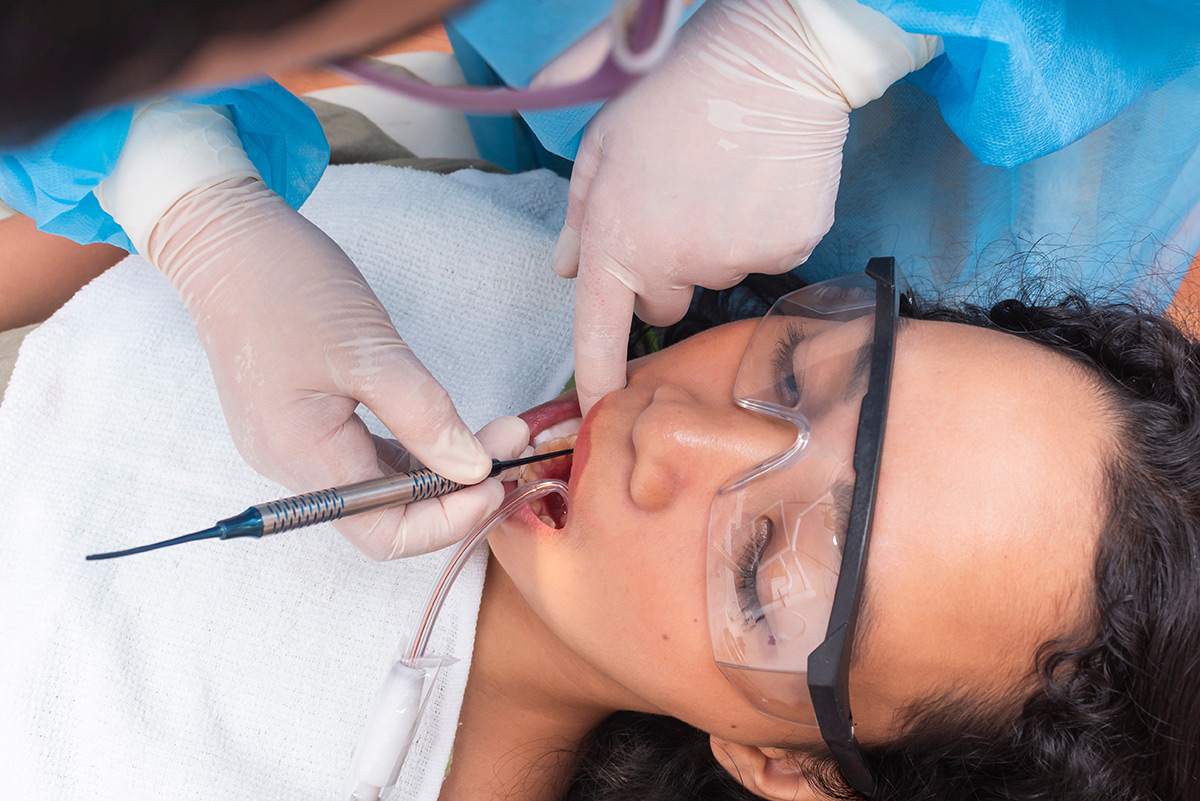
A: Most patients should visit every six months. Some may need more frequent cleanings depending on gum health, cavity risk, or existing dental conditions.
A: Typically:
A comprehensive exam
Professional cleaning
Digital X-rays (as needed)
Gum health check
Oral cancer screening
Personalized home-care guidance
A: Even excellent brushing cannot remove hardened tartar or reach deep grooves in the teeth. Professional cleanings prevent gum disease, cavities, and persistent bad breath.
A: Most dental insurance plans cover preventive care at or near 100%. Our team can verify your benefits and go over expected costs before treatment.
A: Yes — preventive care is essential for growing smiles. Cleanings, exams, fluoride, and sealants all help protect children’s teeth as they develop.
A: Delaying visits can allow minor issues to become major ones — including decay, infections, or advanced gum disease. Routine appointments help avoid pain, emergencies, and extensive treatments later.